
Accelerated [Counter-Ambush]
Driving
Driving skills decay 30-60% within six months of training. The recognition patterns your team built in Level I are degrading now. Level II prevents this decay while building advanced capabilities that require a solid foundation.
Foundation First, Then Advancement
Advanced capabilities cannot be built on degraded foundations. Research from the U.S. Army Research Institute shows motor skills decay 30-60% within six months of training. At twelve months, decay reaches 50-100%. The recognition patterns you developed in Level I are eroding right now.
Level II is designed for graduates of the Advanced [Counter-Ambush] Driving Course. It verifies your foundation remains intact before building advanced vehicle control capabilities that only exist when base skills are solid.
Prerequisite Required
Completion of the Advanced [Counter-Ambush] Driving Course (Level I) is mandatory.
View Level I CourseOnline Training
Before arrival
EP Access curriculum reviews Level I theory and introduces Level II concepts. Complete all modules before track day.
Track Day 1
Skill sustainment
Measured repetition of Level I exercises. Telemetry verifies your patterns have not degraded. Rebuild what time has eroded.
Track Day 2
EasyDrift DTS training
Full day of reduced-grip training. Build vehicle control capabilities beyond normal traction limits using EasyDrift technology.

EasyDrift DTS: Reduced Grip
Traditional skid training requires high speeds to induce loss of control. High speeds increase risk. EasyDrift solves this by changing the coefficient of grip, not the vehicle dynamics.
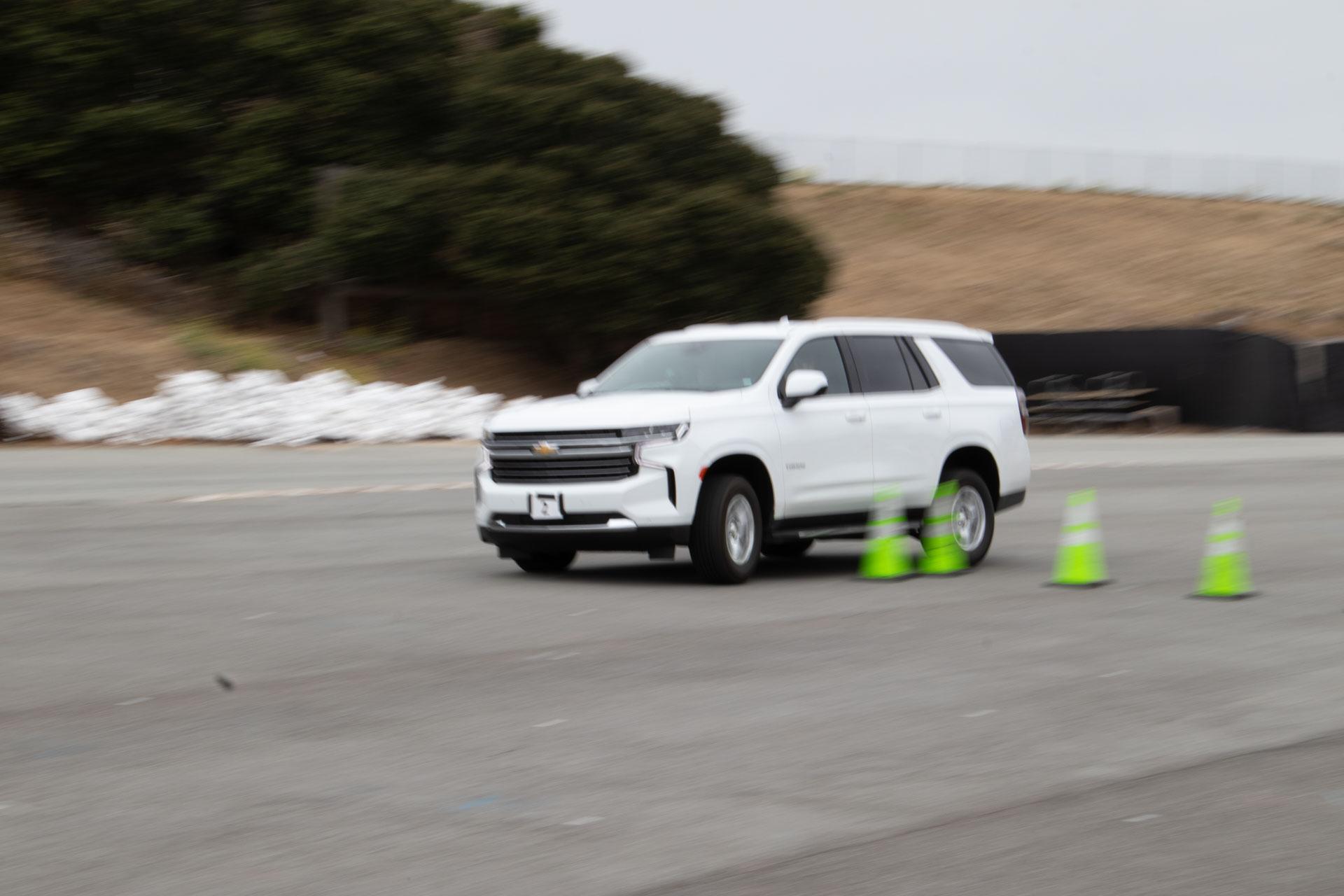
Specialized rings mounted on the tires reduce traction, allowing controlled understeer and oversteer conditions at significantly lower speeds. You experience the same loss of grip without the same consequences of error.
We do not change the vehicle dynamics, just the coefficient of grip. This allows realistic training with controlled risk exposure.
The Science of Skill Decay
Motor skills decay faster than declarative knowledge. You may remember the theory, but the automatic response patterns degrade without use. Research from multiple studies on safety-critical professions shows consistent patterns.
At six months post-training, skill decay varies between 30% and 60%. At twelve months, decay reaches 50% to 100%. Under acute stress, the ability to recall knowledge is impaired while well-learned procedures remain relatively robust.
This is why sustainment training exists. You cannot build advanced capabilities on a foundation that has eroded. Level II rebuilds your base before advancing beyond it.
The CPR Method
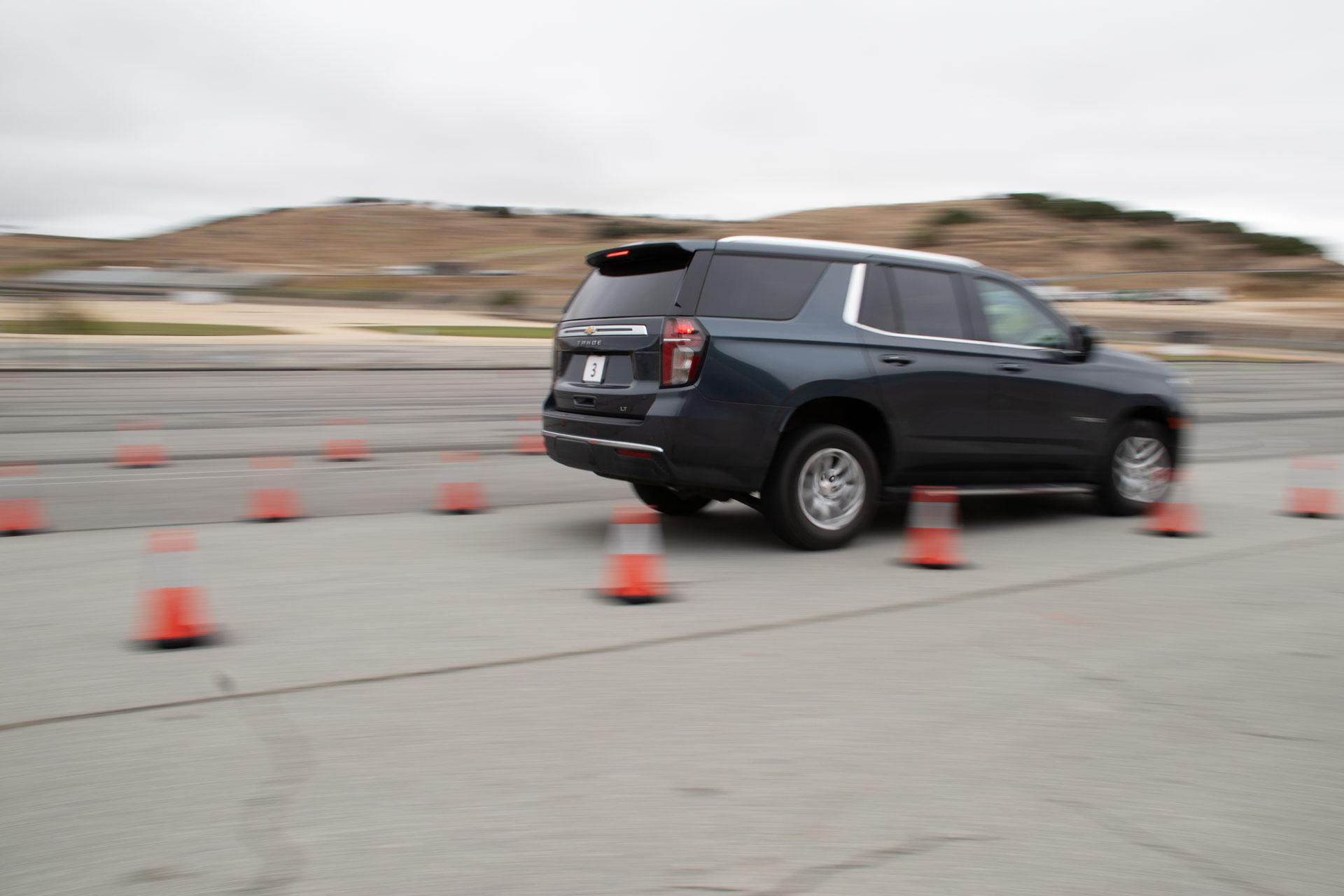
EasyDrift DTS training follows the Correct-Pause-Recover methodology. This sequence builds the recognition pattern for skid management.
Correct
Hands turn toward the skid direction. Foot manages throttle position. Eyes lock on the desired direction of travel, not the obstacle.
Pause
Allow tire grip to return. The pause is critical. Overcorrection is the most common cause of secondary loss of control.
Recover
Return steering to the initial direction. The vehicle is now stable. This sequence becomes automatic through repeated exposure.
Two-Day Curriculum
Day 1 rebuilds your foundation. Day 2 advances beyond it. All exercises measured through onboard telemetry against the 80% international standard.
Day 1: Sustainment
Slalom Refresh
Time-distance recalibration. Verify your steering timing has not drifted.
Threat Avoidance
Decision pattern verification. Test reaction time against Level I baseline.
Braking & Corner
Emergency braking confirmation. ABS engagement under steering load.
Reverse Dynamics
Degraded handling check. Vehicle behavior differs in reverse.
Combined Check
Integrated skill verification. Pass this before advancing to Day 2.
Day 2: EasyDrift Advanced
Understeer Intro
Front-wheel grip loss. Vehicle pushes wide. CPR correction sequence.
Oversteer Control
Rear-wheel grip loss. Vehicle rotates. Counter-steer timing is critical.
Sustained Slides
Extended low-grip control. Maintain vehicle attitude through prolonged loss of traction.
Transitions
Shifting grip states. Understeer to oversteer and back. Dynamic response.
Advanced Scenario
Multiple skill integration. All elements combined under time pressure.
Threshold Braking vs ABS
Threshold braking means holding the pedal a hair short of locking the wheels. With no ABS it is the most efficient way to stop a car, if you get it right. Ask the car to turn at the same time and the driver has to hand grip back to the front tires by exactly the right amount, and that metering lives in the deliberate part of the brain, the part stress takes away first. Reflex has one setting. The pedal hits the floor and the wheels lock, or the foot never finds the pressure.
ABS meters that same limit several times a second, stress or no stress, and it always leaves grip for steering. So we do not train drivers to chase the limit with their foot. We train them to brake with everything they have, keep steering, and spend what attention is left on finding the way out.
Comparative Analysis
Level II uses the same onboard telemetry systems as Level I. This allows direct comparison between your original performance data and your current capability. The degree of skill retention is calculated, not estimated.
Day 1 establishes whether your foundation has degraded and by how much. Day 2 builds new capabilities on the restored foundation. Both days are measured against the 80% international standard.
At course completion, each participant receives a comprehensive report showing skill retention percentage, improvement trajectory, and advanced capability metrics. Evidence-based assessment for security managers.
Start with Level I
The Advanced [Counter-Ambush] Driving Course builds the foundational recognition patterns and vehicle control skills that Level II requires. Without Level I completion, the advanced curriculum cannot be accessed.
Level I establishes the base: seven measured exercises, real-time telemetry, 80% vehicle capability standard. This is where the recognition patterns are created that Level II sustains and extends.
Open enrollment available at all training locations.
Program
- 2 days + online prep
- Full Day 2 EasyDrift training
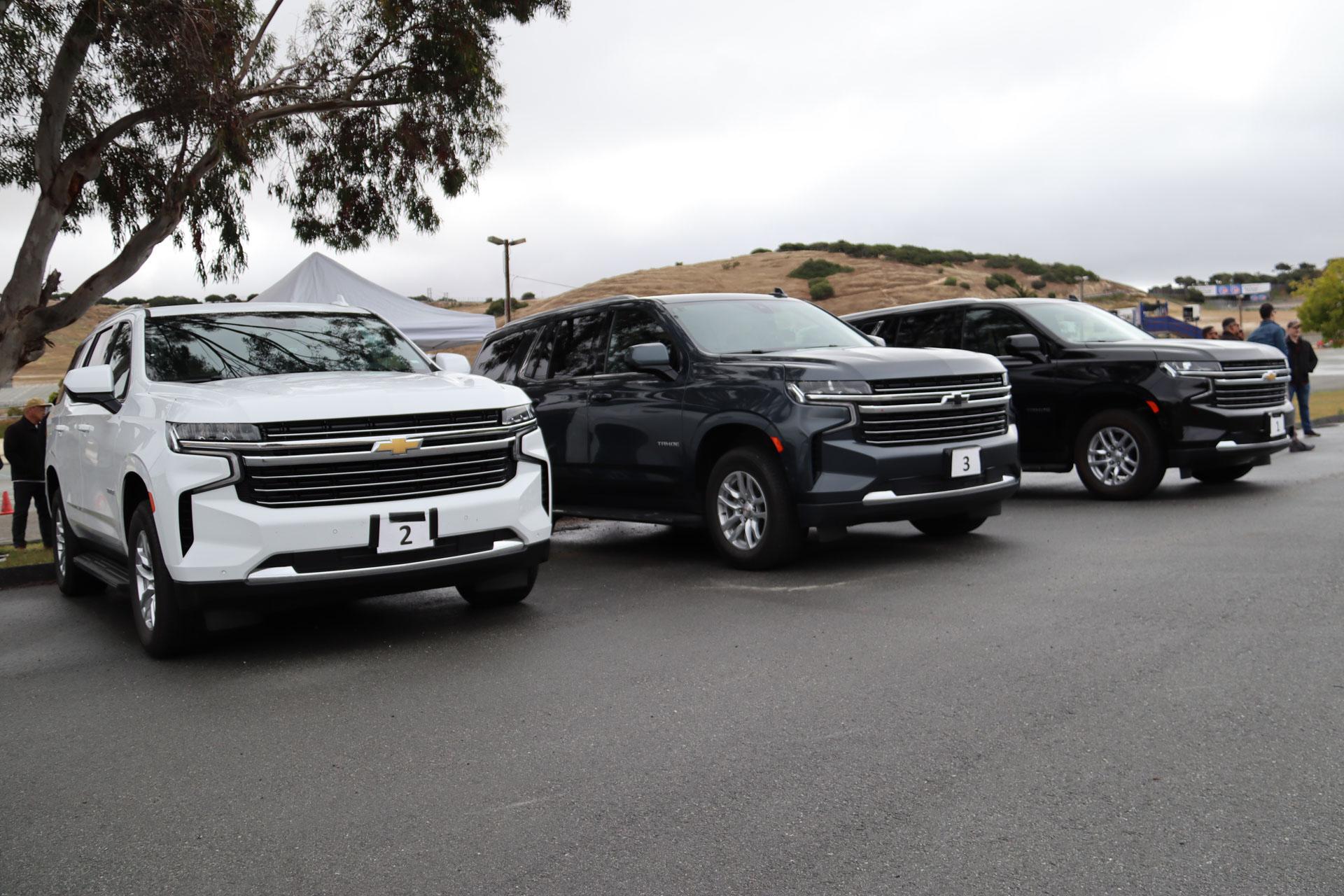
- Vehicles provided
Includes
- Comparative performance report
- Level II certificate
- Skill retention analysis
Requirements
- Level I completion required
- Complete online modules first
- Valid driver's license
The skills that protected your team six months ago are not the skills they have today. Time erodes capability. The question is not whether decay has occurred.
The question is what remains when their next critical moment arrives?