High-Threat Environment
Awareness Training
Plans made in calm conditions fail under stress. The brain that created your travel security protocol is not the brain that will execute it at a roadblock. HEAT builds the recognition patterns that bridge this gap.
Why Plans Fail
Decisions are best made when the situation is calm. This is obvious. What is less obvious is that decisions made in calm conditions rarely execute correctly in crisis conditions.
The successful implementation of a pre-thought plan that has never been practiced under high stress is extremely unlikely. The brain under threat operates differently than the brain that created the plan.
Mike Tyson summarized this concisely: “Everybody has a plan until they get punched in the face.” HEAT training is the controlled punch.
of attacks occur in or around vehicles
95% of kidnappings are vehicle-based
Not a Driving Course
This program is designed for corporate executives, family office managers, and individuals who travel to challenging regions but are not security professionals.
We do not attempt to make you a security operator. That is not realistic or necessary. We prepare you to survive the critical minutes before professional help can reach you.
The focus is practical: prevention, recognition, and appropriate response. What to do at a roadblock. How to behave during a carjacking. When compliance is correct. When escape is possible.
Corporate Executives
International business travel
Family Members
HNW family protection
Family Office Staff
Principal safety responsibility
Non-Security Personnel
Operating in challenging regions
The OODA Loop
Military strategist John Boyd developed the OODA Loop to describe decision-making in rapidly evolving situations. The person who completes OODA cycles faster has a decisive advantage.
Observe
What is actually happening. Environmental data. Movement. Sound. Context. Most people observe poorly under stress because attention narrows.
Orient
What the observations mean. This is where training matters most. Without trained patterns, orientation fails and the loop stalls.
Decide
Selecting a response from available options. With good orientation built through exposure, this happens quickly and correctly.
Act
Physical execution of the decision. Even correct decisions require execution skills. Acting under stress is different than acting in calm.
Training compresses the OODA cycle by building recognition patterns. The untrained person is still trying to understand what is happening while the trained person is already acting.
Course Structure
The program combines classroom discussion with force-on-force scenario training. Both are necessary. Knowledge without stress exposure remains theoretical. Stress without framework becomes chaos.
Classroom Training
4-6 hoursPrevention
- Travel security fundamentals
- Hotel and accommodation protocols
- Airport and transit considerations
- Regional security variations
Risk Assessment
- Current threat landscape
- Personal risk methodology
- Latin America vs Middle East vs Africa
- Statistical analysis of threats
Situational Awareness
- Threat detection techniques
- Early warning indicators
- Environmental scanning
- Practical prevention strategies
Decision Making
- OODA Loop application
- Stress response management
- Crisis communication
- Post-incident protocols
Scenario Training
3 hours force-on-force85% of attacks and 95% of kidnappings occur inside or around a vehicle. Training reflects this reality. Scenarios are designed from documented incidents, not hypothetical situations.
- Roadblocks: Official vs criminal checkpoints. Behavior protocols. Authority navigation. When to comply. When to question.
- Vehicle-based threats: Response protocols for carjacking. Violence minimization. Passenger protection. Property vs life decisions.
- Active threat response: Escape and evasion fundamentals. Urban survival. Emergency communication protocols.
- Express kidnapping: Behavior during short-term abduction. ATM scenarios. Minimizing escalation.
Case Analysis
You prepare for what will happen, not for what could happen. The course examines documented incidents to build recognition patterns from real events.
Each scenario is analyzed not for what might happen, but for what has happened. The patterns are real. The responses are tested against actual outcomes.
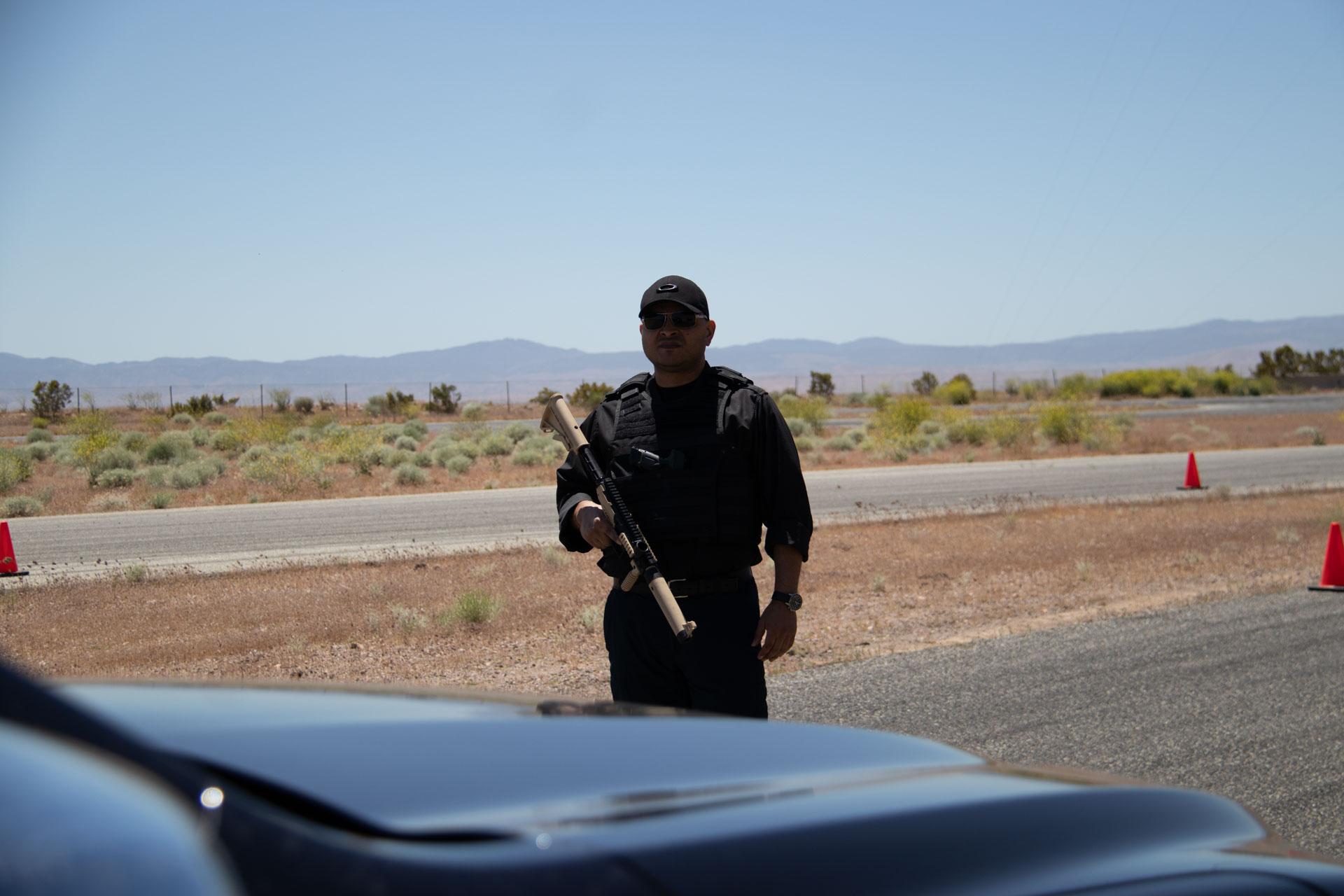
“Stress exposure training takes what you know and converts it into what you can do.”
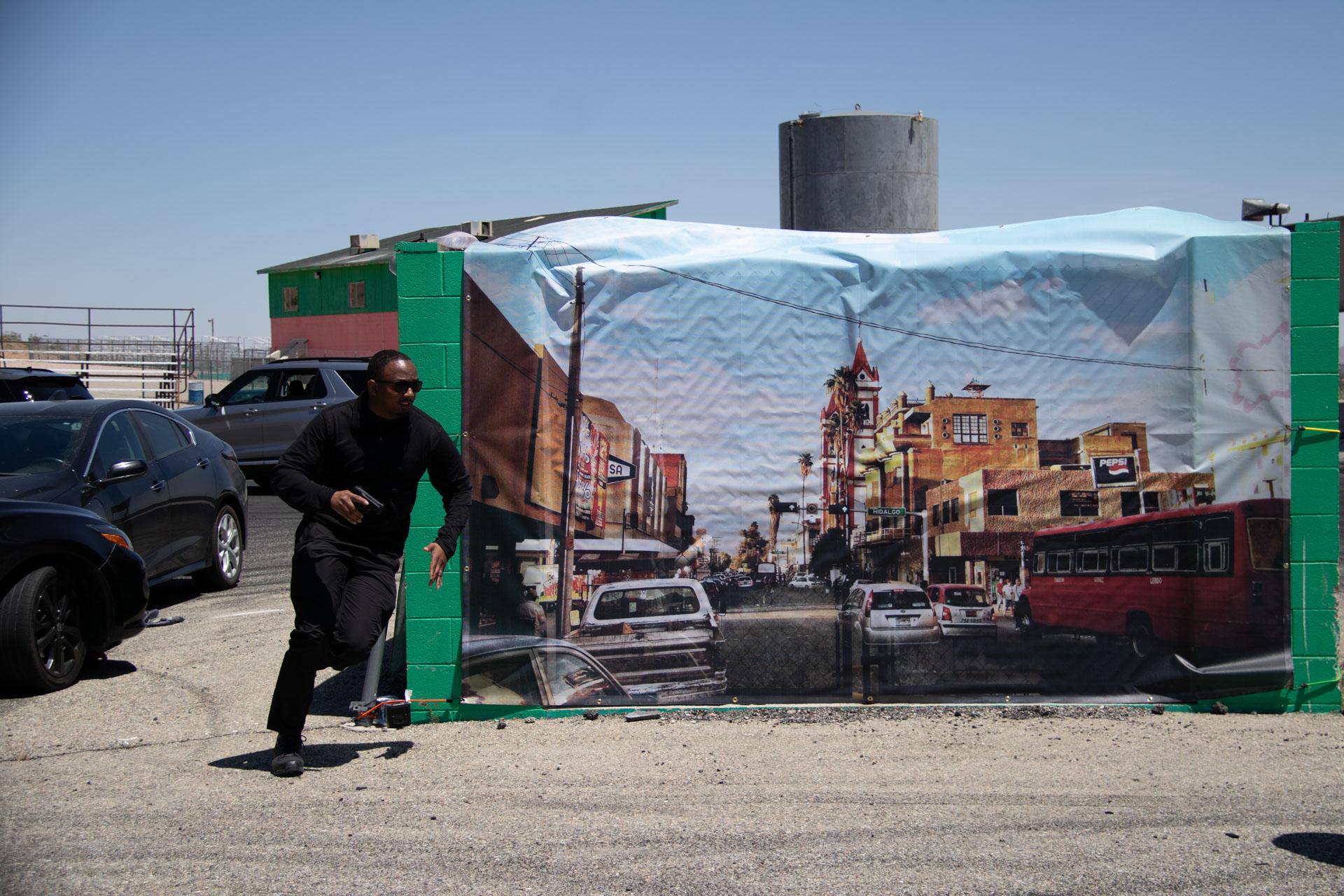
The scenarios are controlled. The stress is real enough. Knowledge alone is insufficient. The body must experience the stress response before it can manage the stress response.
Private Training
HEAT training is typically delivered as private programs for corporate teams, family offices, or organizations. This allows curriculum customization for specific operational environments and threat profiles.
We can deliver training at our facilities or deploy to your location. International delivery available for teams operating in specific regions.
The course costs $1,380 per person, plus insurance and track fees, which vary by location.
Contact us to discuss your organization's requirements and schedule a program tailored to your team's operating environment.
The question is not whether you have a plan for high-risk travel. Most executives do. The question is whether that plan will actually execute when the situation demands it.
When calm ends, will you recognize what is happening fast enough to respond correctly?