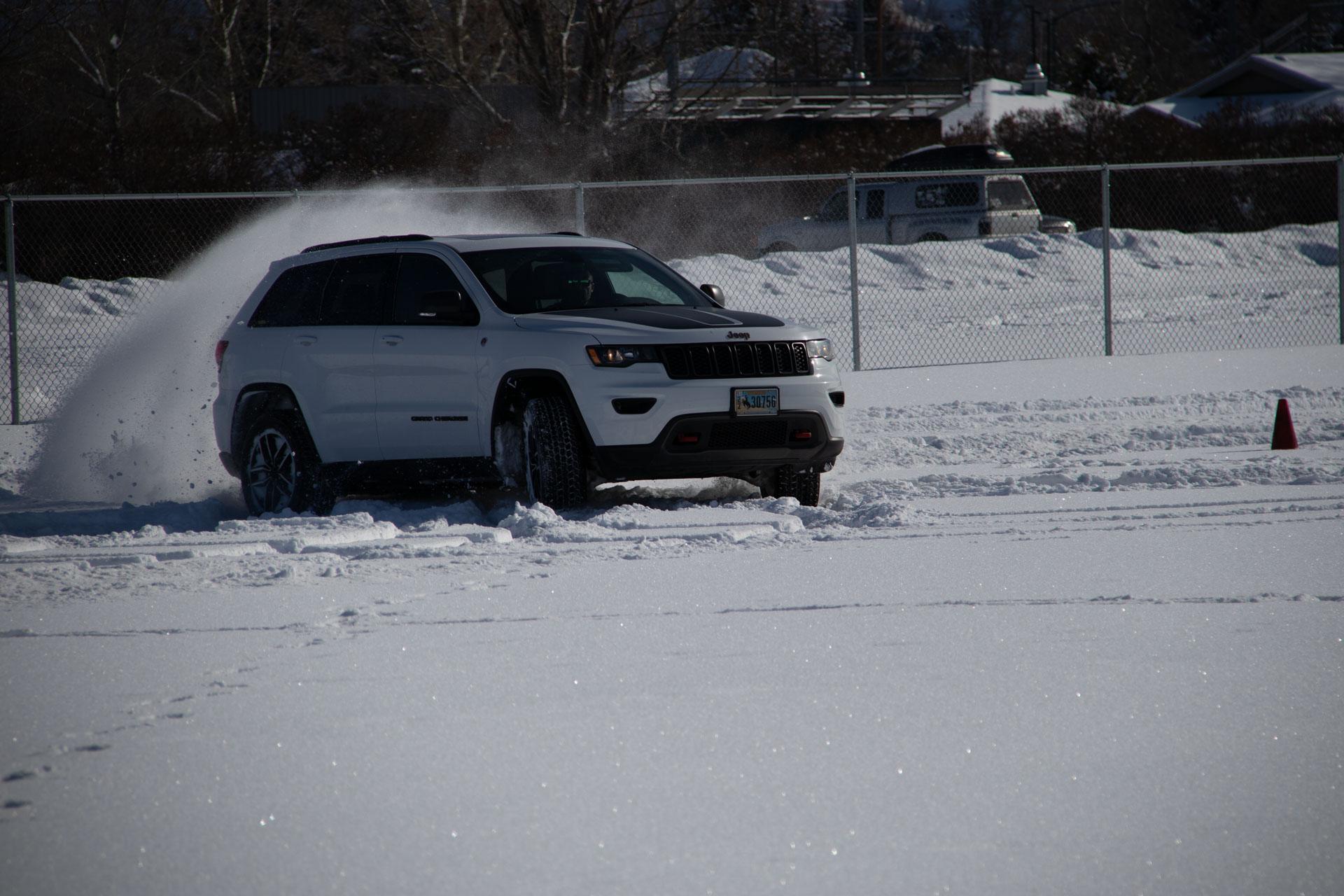
Low-Grip Driving
Skid Recovery and Control
Your first instinct in a skid is wrong. Braking harder or steering more both make the situation worse. The only way to correct these heuristics is through controlled experimentation until recovery becomes automatic.
Why Instincts Fail
When tires lose grip, most drivers do one of two things: brake harder or steer more. Both responses make the situation worse.
The problem is not lack of knowledge. Most people know, intellectually, that slamming brakes on ice is counterproductive. The problem is that intellectual knowledge does not control your hands when cortisol floods your system.
Your hands follow heuristics built from thousands of hours of normal driving. Those heuristics assume traction exists.
Static vs Sliding Friction
Understanding the physics clarifies why instincts mislead.
Static Friction
Tire grips the road. Energy transfers through the contact patch. Driver inputs translate to vehicle direction. This is normal driving. This is the only environment most drivers have ever experienced.
Sliding Friction
Tire loses grip. Momentum continues in its original direction regardless of where the wheels are pointed. Driver inputs may accelerate the slide. Recovery requires actions that feel wrong.
The transition from static to sliding friction happens in milliseconds. There is no time for analysis. The brain must recognize the pattern and respond before conscious thought engages. This recognition can only be built through physical experience.
Two Paths to Mastery
We offer two distinct approaches to building low-grip capability. Each serves a different purpose in skill development.
EasyDrift DTS
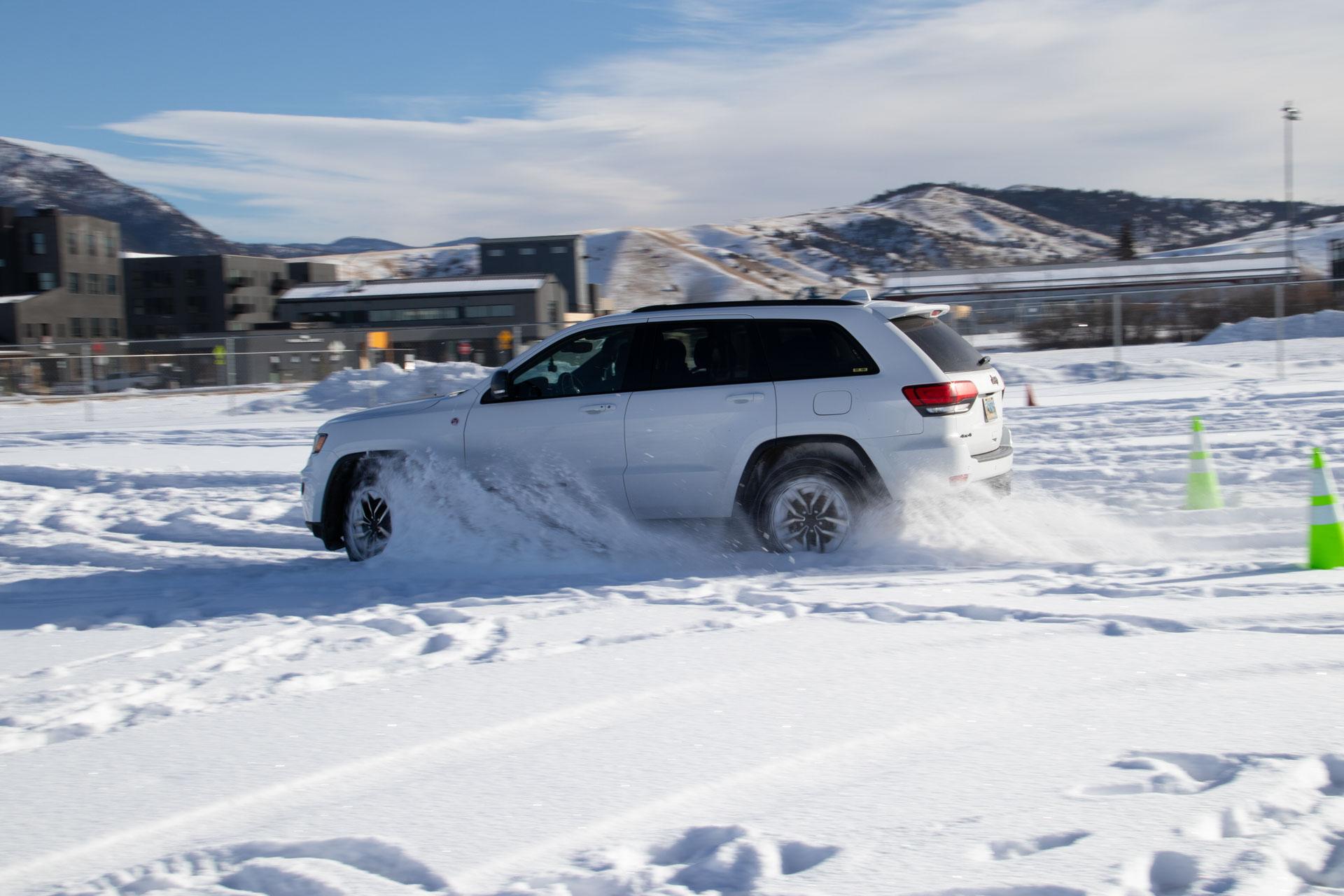
The EasyDrift Driver Training System uses rings mounted on tires to reduce the coefficient of friction. The vehicle dynamics remain authentic. Only grip changes.
This approach allows consistent, repeatable training regardless of weather or location. When you lose control on DTS rings, you experience exactly what happens on ice, black ice, or wet leaves.
Available at any of our US facilities, any time of year.
Winter Driving
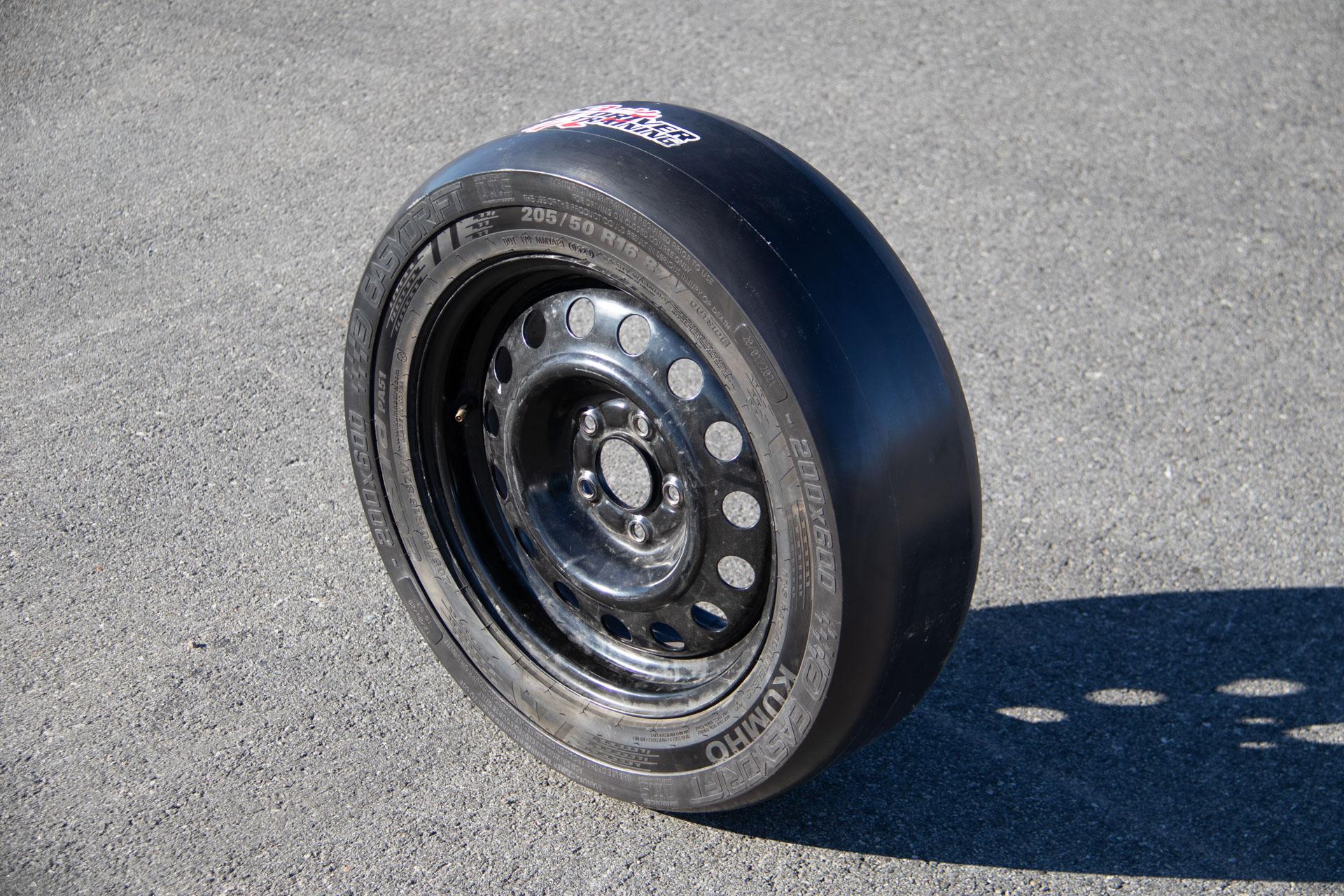
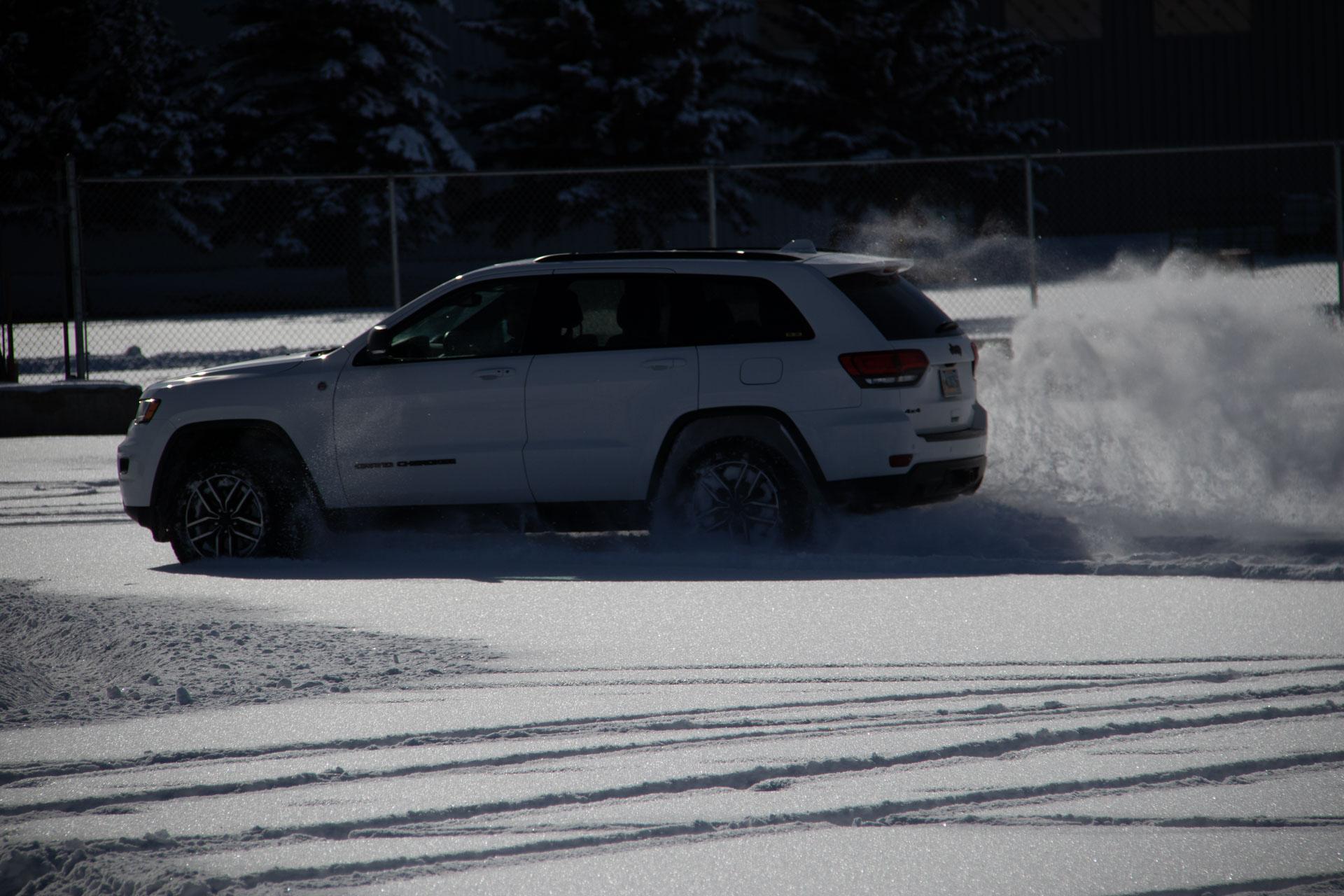
Location: Bozeman, MontanaDrive on actual snow and ice in Bozeman, Montana during winter months. Real-world conditions with controlled instruction. The authentic sensation of zero-grip surfaces cannot be fully replicated.
Beyond skid recovery, this program includes vehicle recovery procedures, convoy operations in snow, and the psychological conditioning that only real ice provides.
The psychological preparation that simulation cannot provide.
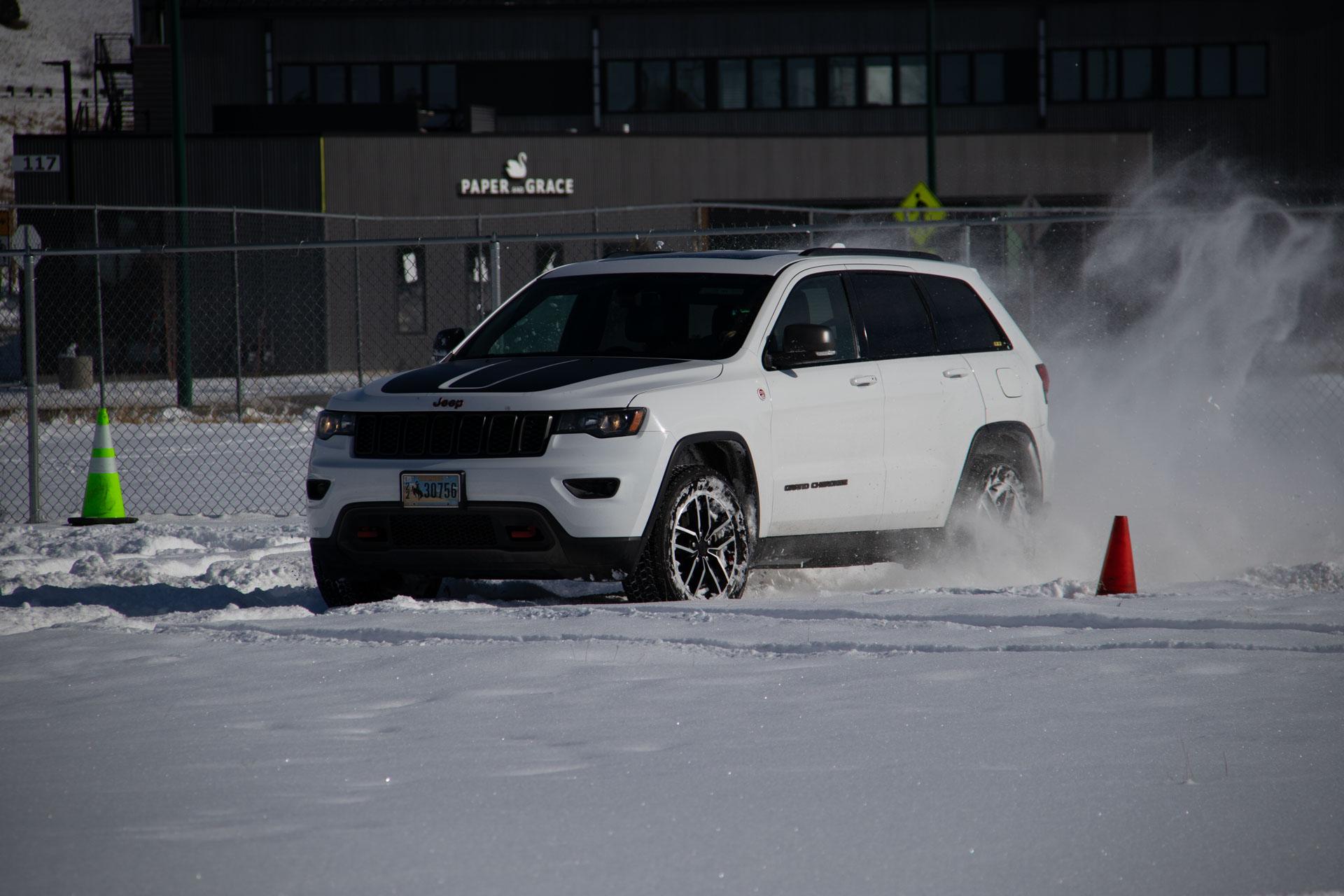
Recommendation: EasyDrift for skill building and sustainment. Winter Driving for validation and psychological conditioning. Both approaches build the same recognition patterns.
CPR Recovery Method
The EasyDrift system teaches a three-phase recovery technique. Each phase is counter-intuitive to untrained drivers.
Correct
Turn Toward the Skid
Turn steering toward the direction of the skid. Manage throttle input. Look toward desired travel direction. Your eyes lead your hands.
Pause
Allow Grip Restoration
The counter-intuitive step. Allow tires time to regain grip. Do not continuously correct. Tires cannot regain grip while being asked to change direction.
Recover
Steer to Intended Direction
Once grip is restored, steer back to original intended direction. The recovery is complete. The vehicle responds again.
The Pause is what most drivers skip. The instinct is continuous correction. But tires cannot regain grip while being asked to change direction. Training builds tolerance for the pause.
The Surprise Factor
One of the most overlooked elements in low-grip training is surprise. Losing control of a vehicle while driving causes emotional responses that impair reaction. Fear. Confusion. The sensation that something has gone fundamentally wrong.
These emotions consume cognitive resources at exactly the moment when those resources are most needed. Training removes the surprise. When you have felt a skid initiate dozens of times, the sensation becomes information rather than crisis.
Your brain can allocate resources to response rather than comprehension. This reallocation is the difference between recovery and accident.
Practical Exercises
The program builds skills through progressive experimentation. Each exercise removes the surprise from a specific scenario.
Friction & Slide Control
Recognition precedes correction. Learn to feel the skid initiating before full loss of control.
- Slide initiation recognition
- Correct steering inputs
- Throttle modulation for recovery
- Weight transfer principles
Braking On a Skid
Understand ABS and stability control. Know when they engage and how to work with them.
- ABS engagement recognition
- Why threshold braking fails on ice
- Steering under heavy braking
- Emergency stops on ice
Surface Transitions
Transitioning from high friction to no friction challenges even experienced drivers.
- Pavement to ice transitions
- Speed adjustment protocols
- Unexpected grip loss recovery
- Electronic aids at limits
Bozeman, Montana: Real Ice
Available December through March, the Montana program provides something simulation cannot: the psychological experience of driving on actual ice. Real ice behaves differently. The cold affects everything.
Beyond standard skid recovery, this program includes vehicle recovery procedures for stuck vehicles and snowbank extraction. Convoy operations in winter conditions. Night driving when visibility approaches zero.
We address equipment decisions: winter tires versus tire chains, their different applications and limitations. Vehicle inspection protocols for cold weather. The preparation that prevents problems before they occur.
The psychological conditioning that only real ice provides cannot be replicated. The brain remembers what the body experienced.
The Unexpected Outcome
One of the largest takeaways from this training is smoother daily driving. Understanding weight transfer and how it affects handling creates intuitive skill for avoiding loss of control.
The result is more comfortable rides for passengers, less wear on vehicles, and significantly reduced accident risk in normal conditions. The training that prepares you for ice also improves every other day of driving.
Request Training
Low-grip training is delivered as private corporate training. Contact us to discuss your team's requirements, preferred location, and timing.
“You cannot think your way to skid recovery. The hands do not follow knowledge. They follow patterns built through repetition.”
Consider your current capability. If grip disappeared right now, would your hands do the right thing?