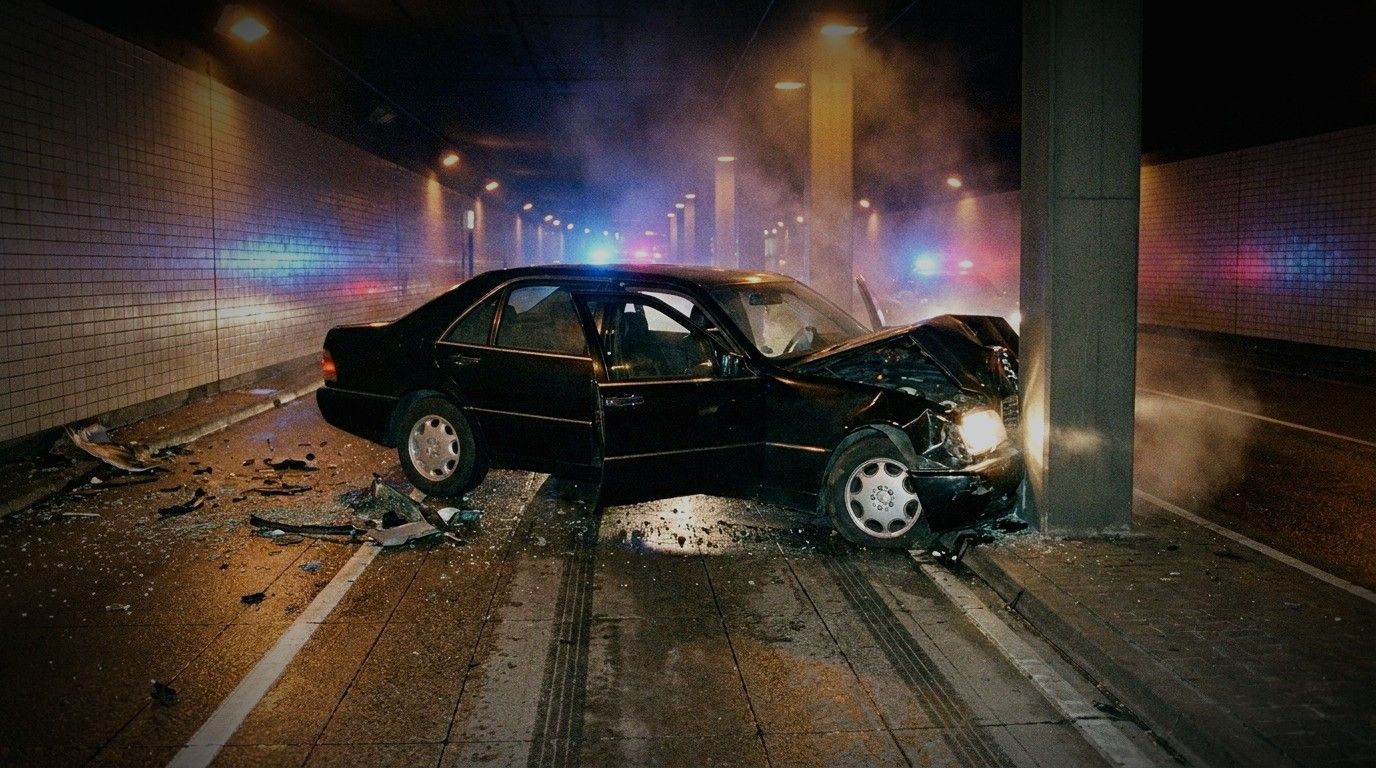
The driver to worry about is not your weakest but the one you trust without checking: the seasoned hand with the clean record, certain behind the wheel because nothing has ever handed him a reason to doubt his driving skill. Certainty and skill are not the same thing, and he may carry both in equal measure or he may not, because nobody has looked.
What Gregersen Measured
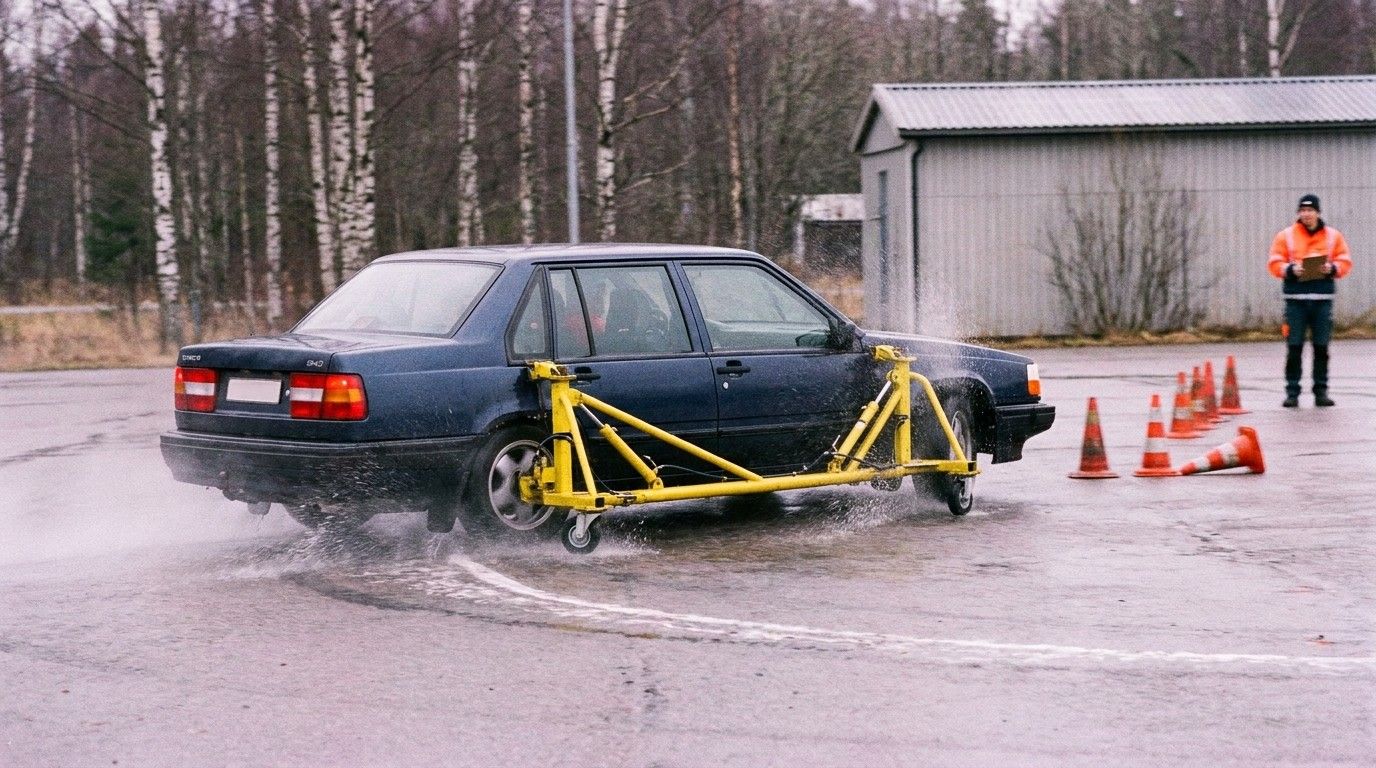
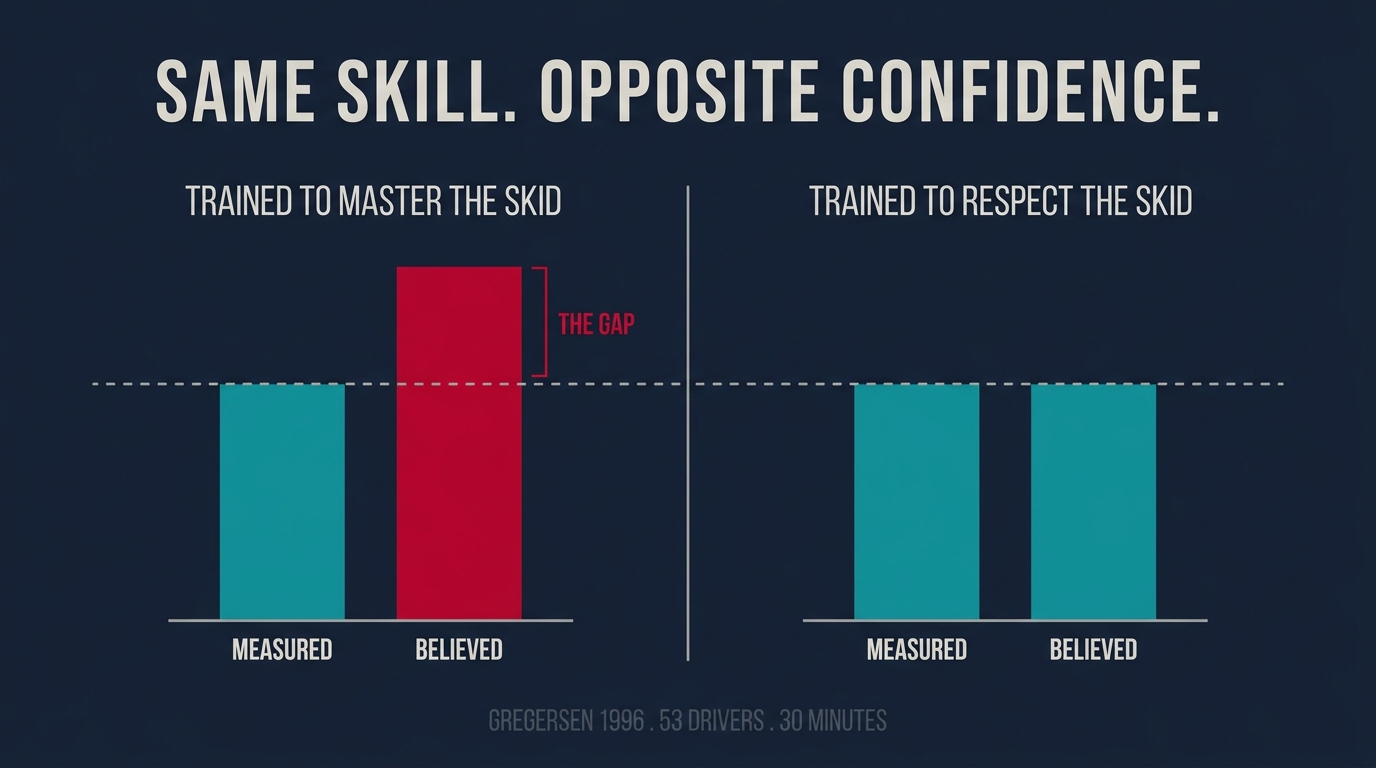
Here is why that should bother you. In 1996 Nils Petter Gregersen took fifty-three new drivers, ran them through the same skid car for thirty minutes, and changed one thing between two groups: one he trained to master the skid, the other he trained to respect how fast it gets away from them. A week later he tested everyone in the same car, and they recovered equally well, the skill identical. Only their opinion of themselves had split: the group trained to master it rated themselves above what they could do, and the other group rated themselves right.
Read that again: same driving skill, opposite confidence, and the only thing he changed was the lesson.
That gap has a name. Calibration is the match between what a driver can do and what he believes he can do, and on a detail it is not academic: a miscalibrated driver does not cost you a fender, he costs you the life you were hired to protect, on the day his real limit turns out lower than the one in his head.
The Same Skid, Two Lessons
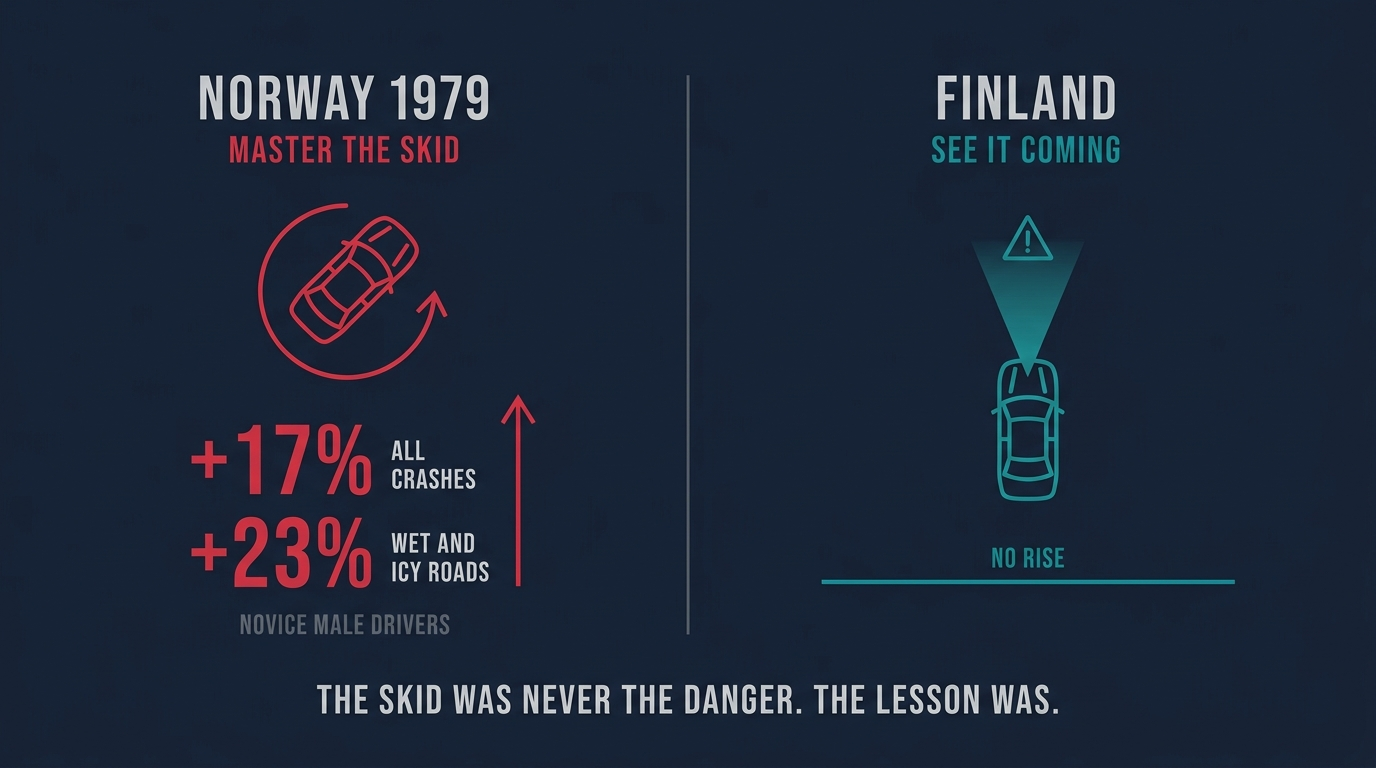
Norway wrote that driver into law. In 1979 it made a skid course mandatory expecting crashes to fall, and they rose instead, with young men crashing 17% more than untrained drivers and 23% more on wet and icy roads. No one could name a driving skill the trained drivers lacked, so the likeliest reason was the gap itself: they came out of the course with confidence their driving skill had not earned, and they drove on it.
Finland ran the same exercise with one change, teaching drivers to see the skid coming and stay out of it instead of to conquer it, and the rise never came. The skid was never the danger; the lesson bolted to it was.
The Driver Worth Building
So the driver worth building is not the one who can do the most with a car but the one who knows exactly what he can do and will not bet past it. He keeps his distance because he has felt how far a car runs before it stops, and he slows in the rain because he has felt the grip leave under his own hands. Certainty is cheap to train, but accuracy is the hard part, and accuracy is what keeps a principal out of the wreck.
You do not train that with a lecture, because you tell a driver he is overconfident and he agrees and forgets by lunch. You train it by sending him at his limit and letting him miss, on the wet pad, in the corner he was sure he owned, at the moment he was most sure, because that is what he does not forget. Then you put it on the screen so he cannot talk his way around it: every run scored against a hard line at 80% of what the car can physically do, nothing that can be passed by going faster, and a debrief where what he did sits beside what he believed he did, as a number instead of an argument.
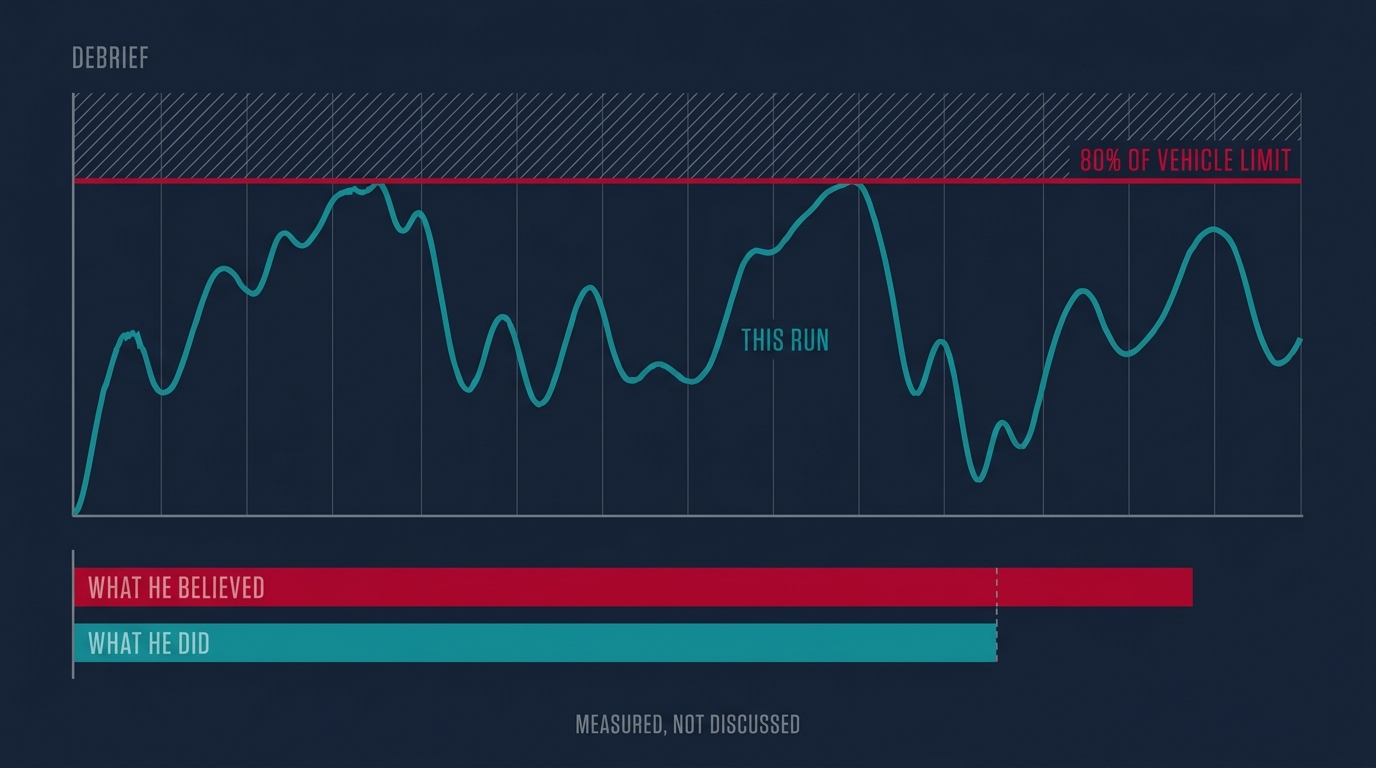
None of it makes him unbreakable, and he is told so, because driving skill fades without use, the part that reads a situation going first, within months of stopping, and a big enough shock can still overwhelm him. What calibration buys is smaller and real: he sees trouble sooner, his first mistake is smaller, he keeps the room he used to give away, and he saves the hard maneuver for the one day in a career it is the only card left.
The Question
So look at the driver you trust most and ask the one question his training never did: has anyone measured the space between what he can do and what he is certain he can do? If not, that space is still there tonight, in the car with your principal.
Sources
Nils Petter Gregersen. "Young drivers' overestimation of their own skill." Accident Analysis and Prevention, 28(2), 1996.
Alf Glad. Norwegian Phase 2 driver-training outcome data, 1988, reported through Katila, Keskinen and Hatakka (2004). The crash increase was measured; the overconfidence reading was an inference, confirmed experimentally only later.
Ari Katila, Esko Keskinen, Mika Hatakka. "Does increased confidence among novice drivers imply a decrease in safety?" Accident Analysis and Prevention, 36(4), 2004.
Winfred Arthur et al. "Factors that influence skill decay and retention." Human Performance, 11(1), 1998.