
Beyond Individual Skills
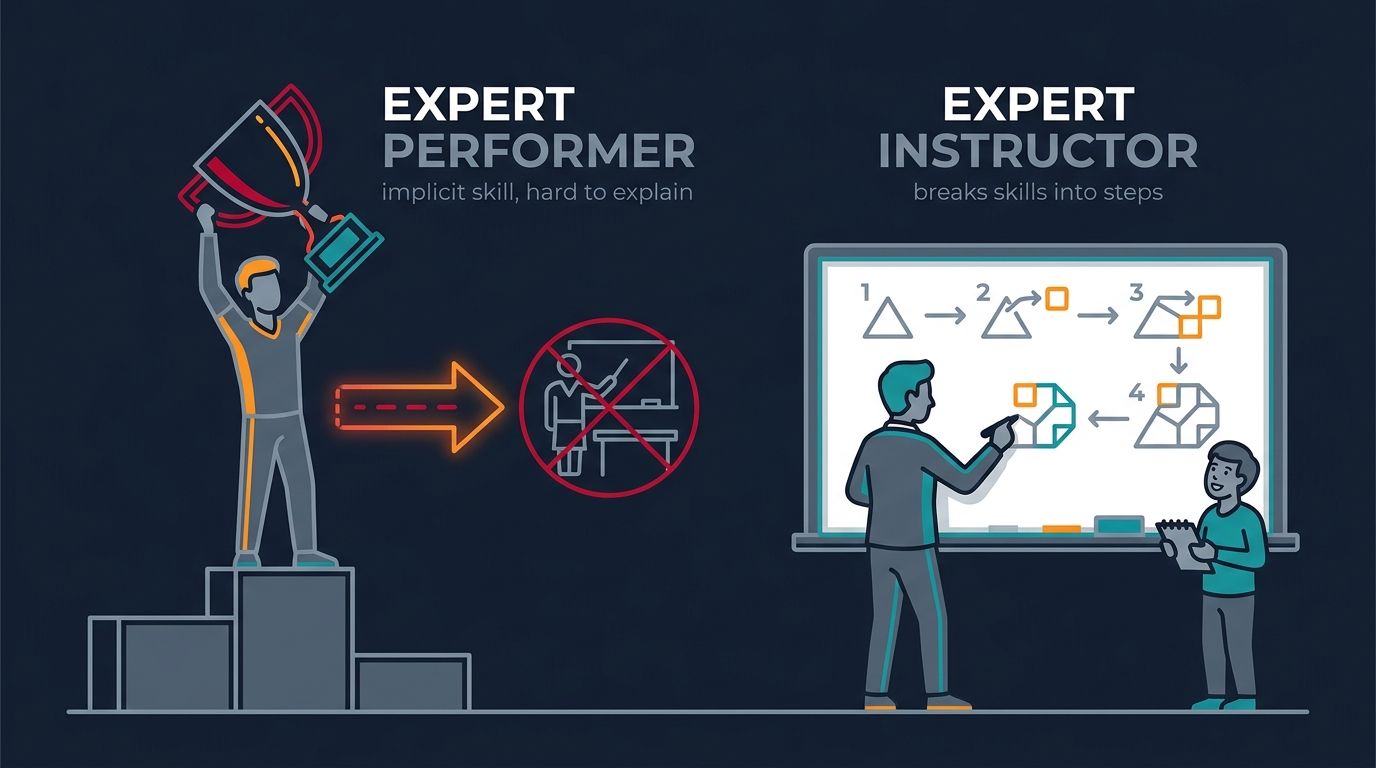
Tradition assumes the best athletes are the best candidates to become instructors. It also assumes soldiers are the best strategists in war. But is this assumption always correct? Daniel Coyle's book "The Talent Code: Greatness Isn't Born. It's Grown. Here's How" casts doubt on this matter. It challenges the notion that skill as an athlete guarantees the ability as a coach. This article explores this paradox. It examines why being an expert athlete does not always translate into being the best instructor in that sport.
Beyond Technical Skill: Understanding the Teaching Process
Being a good instructor means understanding that teaching goes beyond exhibiting exceptional technical skills. Individual prowess is crucial. But the ability to unravel and communicate the learning process is what distinguishes great instructors. A chef does not only follow recipes. A chef understands the principles of cooking. In the same way, a good instructor does not only teach movements. A good instructor explores the whys and hows behind them.
Focus on the Teaching-Learning Process:
A key lesson from the book is the importance of understanding and respecting the teaching-learning process. While athletes may have developed skills through years of practice, teaching is a different process that requires a more conscious and structured approach. Effective instructors can break down skills into simpler components, provide constructive feedback, and guide students through the stages of effective learning.
The Fallacy of Implicit Knowledge:
A central point Coyle raises is the difference between implicit and explicit knowledge. Talented athletes may have a deep implicit knowledge of how to execute certain skills. Yet transmitting this knowledge to others can be a challenge. Many times, expert athletes perform movements intuitively. They cannot fully explain them. This can hinder an instructor's ability to break down skills into simpler and more understandable steps for beginners.
The Power of Statistics and Science: Convincing Through Evidence
Often, people can be skeptical about new ideas or approaches. This is where the power of statistics and science comes into play. A good instructor supports their teaching with concrete data. That data provides tangible evidence of the effectiveness of the proposed techniques. This adds credibility. It also makes the abstract more palpable and convincing.
Conclusion
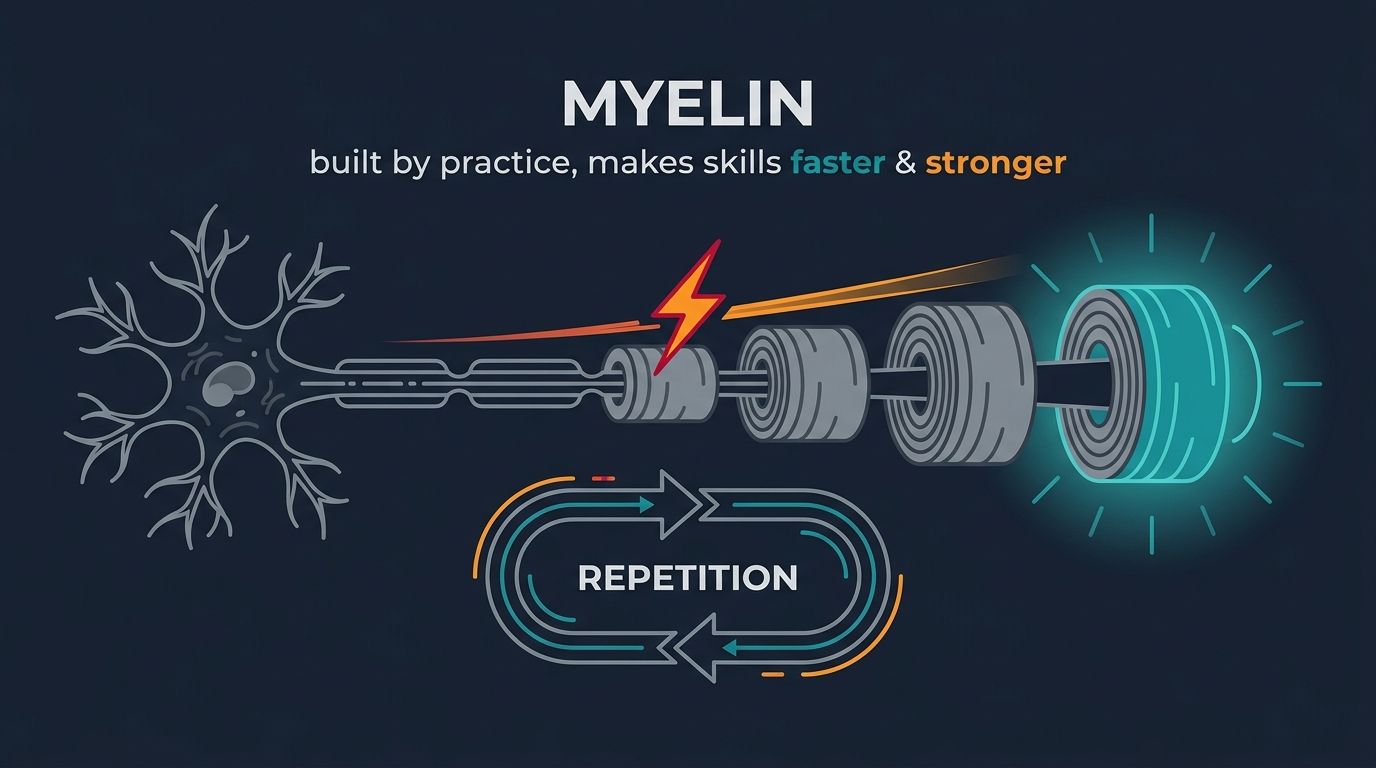
In conclusion, being a good instructor goes beyond individual skills. A deep understanding of the process and especially myelin, a neural substance that, according to scientists, could be the key to exceptional performance, from art geniuses like Michelangelo to sports icons like Michael Jordan. Myelin, which forms through practice and repetition, offers the promise of unlimited development potential. Not forgetting, backing up teaching with statistics and science is fundamental. Usually, the best practitioner is not the best instructor, but rather the one who understands and communicates the learning process and becomes a valuable guide.
Being a good instructor involves more than transmitting knowledge. It means building a bridge between soft and hard skills. It also means holding a deep understanding of the process. This leads students towards meaningful and sustainable learning.